Introduction
Buying or building a new home is one of the biggest investments most people make. Yet many buyers sign builder contracts without understanding the clauses that can dramatically shift costs, timelines and responsibilities.
As real estate professionals, we review these agreements often and know which red flags can turn your dream home into a stressful ordeal.
In this guide we break down the five most common warning signs in builder contracts and explain how to protect yourself before signing.
Before You Sign: Builder Contract FAQs Every Buyer Should Read
1. Why Does the Scope of Work Matter in Builder Contracts?
 The scope of work defines exactly what the builder agrees to deliver: materials, finishes, dimensions and timelines.
Vague descriptions like “finish as needed” leave the contract open to interpretation and disputes.
Attorneys note that ambiguous language makes it difficult to hold the contractor accountable, and owners often end up paying for unexpected change orders or sub‑par workmanship. Clear specifications should include:
-
- Detailed descriptions of materials and finishes – list brands, models, colors, and quality standards.
-
- Dimensions and quantities – outline measurements and the number of fixtures, cabinets or square footage being installed.
-
- Attachments – include architectural plans, engineering specifications and lists of deliverables.
Another overlooked issue is allowances. These provisional sums are supposed to cover items not yet chosen, such as flooring or lighting. However, allowances are frequently underpriced to make bids look attractive; unrealistic allowances are a major cause of cost overruns.
Builders sometimes combine materials and labor in allowances, then mark up both without disclosure. We recommend:
-
- Asking the builder for actual supplier quotes before the contract is finalized.
-
- Limiting allowances to materials only, not labor, to avoid double mark‑ups.
-
- Ensuring the contract clearly states how allowances are reconciled and whether you receive credit for unused amounts.
When allowances are used, confirm that price differences will be documented with receipts and not padded with hidden fees. Don’t hesitate to involve a real estate professional or attorney to negotiate realistic values.
2. What Payment Terms and Escalation Clauses Should You Watch For?
Payment schedules should align with construction milestones—not vague promises.
Contracts that say “payment due upon completion” or “as work progresses” leave owners vulnerable to paying for unfinished or substandard work.
Law firms suggest insisting on a detailed payment schedule tied to objective milestones, such as 50% due at foundation completion, 25% after framing and 15% after final inspection. In addition:
- Retainage – Hold back 5–15% of each payment until the project is finished to keep the builder motivated.
- Unconditional payment language – Avoid “pay‑when‑paid” or “pay‑if‑paid” clauses that shift the risk of non‑payment to you.
Many builder contracts now include price escalation clauses to address material cost spikes due to tariffs, labor shortages or supply‑chain disruptions.
ConsensusDocs, which publishes standard construction contracts, explains that a price escalation clause adjusts the contract price based on an objective index. While these clauses can protect builders from losing money on unforeseen cost increases, they are risky when poorly drafted. Look for:
- Objective price index – The clause should reference a reliable index (e.g., Producer Price Index) and specify how price changes affect your cost.
- Sharing formula – Make sure it is clear who pays for increases beyond the trigger and whether decreases benefit you as well.
- Notification requirements – Insist on written notice before cost adjustments take effect.
Beware of escalation clauses that give the builder unlimited discretion or only allow upward adjustments.
Negotiate a cap on total increases and a mechanism to review invoices. Without this clarity, you could face thousands of dollars in surprise charges.
3. How Do Timeline and Delay Clauses Affect Your Build?
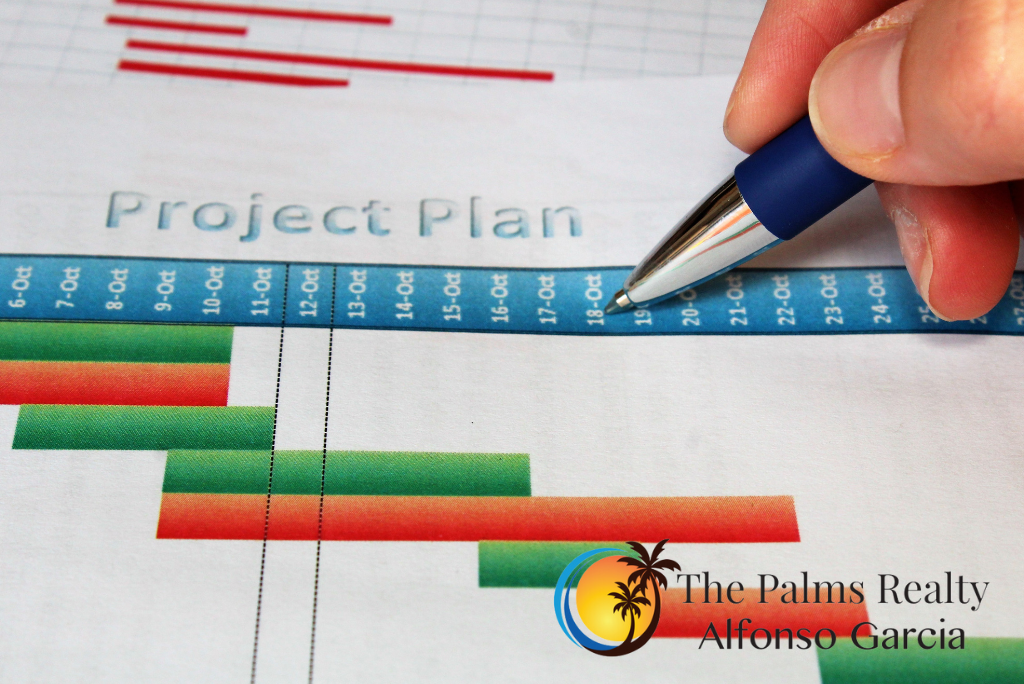 Time is money.
Contracts with open‑ended timelines like “completion within a reasonable time” give the builder little incentive to finish on schedule. Likewise, clauses allowing unilateral extensions can leave you waiting months or years with no recourse. Customers can often overlook these clauses because they trust verbal promises.
To protect your timeline:
- Demand firm start and completion dates and include penalties for delays not caused by weather or change orders.
- Negotiate a termination clause that lets you cancel if the project drags beyond a reasonable period.
- Include liquidated damages (a daily monetary penalty) to compensate for delay costs like extended rentals or mortgage payments.
Make sure the contract also covers factors like permit delays, design changes or material shortages. A balanced timeline clause should outline what constitutes a force majeure event and how both parties will respond. Without clear milestones, you risk carrying the financial burden of indefinite delays.
4. What Warranties and Liability Limitations Should You Examine?
Many people assume builder contracts offer comprehensive warranty coverage. In reality, builder warranties are limited and vary by component.
According to the U.S. Federal Trade Commission, builder warranties for new homes generally cover workmanship and materials for specific components like windows, HVAC, plumbing and electrical systems. Typical coverage durations include:
- One year for workmanship and materials on most components (siding, doors, drywall and paint).
- Two years for major systems such as HVAC, plumbing and electrical.
- Ten years for major structural defects that affect safety, such as a roof that could collapse.
Warranties often exclude household appliances, small cracks in brick or drywall, and items covered by manufacturer warranties.
Consumer advocates warn that some builder contracts also disclaim implied warranties or require mandatory repairs by the builder as a condition for claiming warranty relief. To ensure your rights:
- Request a copy of the full warranty before signing and compare it with industry standards.
- Negotiate longer coverage periods for key systems and remove clauses that attempt to waive implied warranties.
- Clarify the process for making a warranty claim—your contract should outline how to file, response timelines and whether arbitration is required for disputed repairs.
Also look for limitation‑of‑liability clauses that cap the builder’s responsibility or waive consequential damages.
Some contracts limit liability to the cost of repairs and exclude compensation for temporary housing, lost wages or decreased property value. Ask to modify or remove such clauses so you aren’t left covering the full cost of a serious defect.
5. Why Are Dispute Resolution and Termination Clauses Critical?
 Many builder contracts include mandatory arbitration or mediation clauses. These require homeowners to resolve disputes outside of court, often with an arbitrator chosen by the builder.
Legal experts note that arbitration clauses may waive your right to a jury trial and restrict discovery, making it harder to prove claims. They recommend:
- Negotiating the right to choose a neutral arbitrator or to opt for court litigation.
- Adding a “loser pays” clause so you can recover legal fees if you prevail.
Dispute resolution provisions should include clear steps for notifying the builder of issues, allowing reasonable time for repairs and specifying when arbitration or mediation is triggered.
The Federal Trade Commission notes that many warranties already require mediation and arbitration, but homeowners should be able to pick from a list of acceptable arbitrators and retain the right to sue if arbitration fails.
Termination clauses deserve careful scrutiny. Some agreements allow the builder to cancel “for convenience” without penalty or to walk away if more lucrative projects arise. Conversely, other contracts require you to pay hefty fees if you terminate.
A fair contract should spell out conditions under which either party can terminate and how outstanding costs will be handled.
If the builder demands a termination for convenience clause, insist on compensation for work completed and materials ordered.
How Do Change Orders and Maintenance Responsibilities Impact Your Costs?
Change orders modify the original scope of work—sometimes at substantial cost.
A red flag is a contract that lets the builder alter materials, layouts or finishes without your written approval. Similarly, if the contract lacks a formal change‑order process, you may be billed for extras you never agreed to. Protect yourself by:
- Requiring written change orders signed by both parties before any work is altered.
- Capping the markup on change orders and demanding itemized pricing.
- Stating that changes without your approval are not billable.
Maintenance requirements are another hidden trap. Some builder contracts impose strict obligations—such as monthly gutter cleaning, sealing grout or maintaining landscaping—to keep your warranty valid. Failing to meet these requirements can void coverage.
Ask for a written list of maintenance duties and negotiate a grace period before the builder can void your warranty for minor lapses.
What Should You Do Before Signing a Builder Contract?
Given the complexities of builder contracts, it’s understandable that many home buyers feel overwhelmed. Here are concrete steps to safeguard your investment:
- Consult professionals – Have an experienced real estate agent and, if possible, a construction attorney review the contract. They can identify clauses that disadvantage you and suggest improvements.
- Read every line – Don’t rely on verbal promises. Builders may verbally reassure you about timelines or costs while the contract contains opposite terms.
- Negotiate – Most clauses are not set in stone. Builders expect some negotiation. Ask for detailed scope, milestone payments, realistic allowances and fair dispute resolution.
- Document everything – Keep written records of all communications, change orders, receipts and warranty claims. Documentation is invaluable if a dispute arises.
- Stay proactive – During construction, visit the site regularly, review progress against the contract, and ask questions. Address small issues before they become major problems.
Conclusion: Partner With Experts for Peace of Mind
Builder contracts are complex legal documents designed to protect the builder’s interests.
As a homebuyer or investor, you must read beyond the glossy brochures and promotional language.
Watch for red flags such as vague scopes of work, unclear payment terms, open‑ended timelines, limited warranties, one‑sided dispute resolution, and tricky change‑order clauses.
Armed with knowledge and professional guidance, you can negotiate fair terms and avoid costly surprises.
Our team at The Palms Realty specializes in new construction and understands how local regulations and builder practices influence contracts.
Whether you’re building in Las Cruces or Santa Teresa, New Mexico we’re here to ensure your builder contracts safeguard your dream home rather than jeopardize it.
How much do building contractors charge?
Contractor fees vary but often range from 10%–20% of the project cost. Always confirm what’s included in their price.
How to contract building a house?
You’ll need a detailed written agreement covering scope, payment schedule, timelines, and warranties. A broker can help review it for fairness.
Can a builder change the contract price?
Yes, if the contract allows. Clauses for escalation, allowances, or change orders often give them that flexibility.
What should be included in a scope of work when building a house?
It should list materials, finishes, labor, allowances, and timelines clearly so there are no surprises later.
What are allowances in home builder contracts, and why are they costing me more?
Allowances are placeholder budgets. If the actual cost exceeds the allowance, you pay the difference, which often leads to overruns.
My builder contract is really vague. How do I make sure I’m not overpaying later?
Get the scope of work clarified in writing and have a real estate professional review the fine print before signing.
Do I need a real estate broker in Las Cruces to review my new build contract?
Yes! An experienced broker like Alfonso Garcia here at The Palms Realty can spot hidden risks, negotiate terms, and protect your investment.
Is a 30% deposit too much for a new construction contract?
Usually, yes. Standard deposits are closer to 10%, unless special circumstances apply.
How should payments be scheduled in a builder contract to protect buyers?
Payments should be tied to milestones (foundation, framing, completion) rather than upfront lump sums.
What does ‘pay when paid’ mean in a construction contract?
It means the builder only pays subcontractors after they’re paid by you or a lender—potentially delaying progress.
Can a builder ask for most of the money up front?
They can, but it’s a red flag. Avoid contracts with heavy upfront payments.
What is a price escalation clause in a builder contract, and should I accept it?
It allows builders to raise prices if materials go up. Accept only if caps or limits are in place.
How do hidden costs like change orders and allowances add up in new builds?
They can quickly add thousands of dollars if not tracked closely. Always ask for detailed estimates.
Why is my builder increasing the price after materials have gone up?
Most likely due to an escalation clause in your contract. Check if limits are defined.
What does a builder’s warranty cover and how long does it last?
Typically covers structural defects (10 years) and shorter terms for systems (1–2 years). Always confirm details.
Are builder warranties negotiable?
Yes, you can sometimes extend coverage or adjust exclusions before signing.
Does a limited warranty mean I’m responsible for more repairs?
Yes. Limited warranties exclude many items, leaving more out-of-pocket costs to you.
What should I look out for in a new home warranty clause?
Check coverage length, exclusions, and repair procedures so you know exactly what’s protected.
Is mandatory arbitration fair in a builder contract?
Not always—it can limit your legal options if disputes arise. Review carefully before agreeing.
What if the builder delays the project—can I cancel the contract?
Only if the contract includes a termination or delay clause. Without it, cancellation may be costly.

Ready to Protect Yourself from Risky Builder Contracts?
Don’t leave your biggest investment to chance. Whether you’re buying, building, or just exploring your options, we can help you review builder contracts, spot hidden red flags, and guide you through a safe and stress-free homebuying process.
📞 Call Alfonso Garcia today at 575-621-5780
or simply fill out the contact form below and we’ll reach out right away.