Introduction
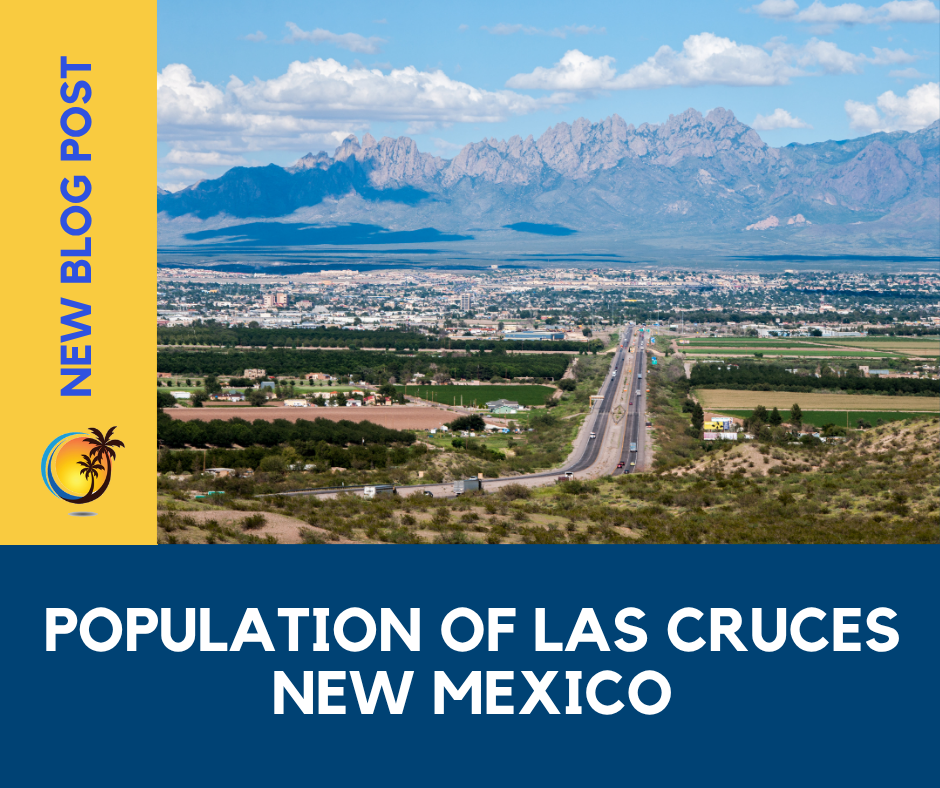
Las Cruces is the second‑largest city in New Mexico and the heart of Doña Ana County.
Understanding the population of Las Cruces New Mexico is essential for anyone considering buying, selling, or investing in this sunny Southwest market.
This comprehensive guide answers the most common questions about population trends, demographic makeup and what it all means for home buyers, sellers and real‑estate investors.
Understanding the Population of Las Cruces, New Mexico
1 How Many People Live in Las Cruces in 2025?
 To understand how quickly the population of Las Cruces New Mexico is expanding, let’s review the latest 2025 data.
According to World Population Review, Las Cruces’ 2025 population is about 117,021 residents. This estimate reflects an annual growth rate of roughly 0.92%.
The city’s population has grown 4.77% since the 2020 census, which recorded 111,698 residents.
Population estimates vary slightly across data sources because some are projections and others come directly from U.S. Census Bureau data:
- 2025 projected population: 118,527 people (projection by the Cubit Planning team using U.S. Census trends).
- 2024 population estimate: 116,998 people (U.S. Census Bureau’s Population Estimates Program).
- 2023 population estimate: 114,892 people (Neilsberg analysis of U.S. Census data).
These numbers show that the population of Las Cruces New Mexico continues to climb steadily, adding roughly 1,000–2,000 residents per year since 2021.
2 How Has Las Cruces’ Population Changed Over Time?
The population of Las Cruces New Mexico has shown long-term stability and steady expansion over the last two decades. Fueled by a strong university presence, military installations, and a lifestyle that blends affordability with rich cultural heritage.
Historical data from the U.S. Census Bureau and Neilsberg illustrates this upward trend:
| Year | Population | YoY change | Notes |
|---|---|---|---|
| 2000 | 75,055 | – | Baseline |
| 2010 | 98,278 | +3.12% | Growth accelerated during the 2000s. |
| 2020 | 111,698 | +7.71% | Large jump partly due to annexations and migration. |
| 2021 | 112,879 | +1.06% | Recovery after the pandemic era. |
| 2022 | 113,972 | +0.97% | Continued steady growth. |
| 2023 | 114,892 | +0.81% | Reflects consistent but slowing rate. |
| 2024 | 116,998 | +1.83% | Latest census estimate. |
| 2025 (projected) | 118,527 | +1.3% | Projection based on current trends. |
Key growth periods
- Early 2000s: Strong 2–4% annual gains due to economic expansion and new housing developments.
- 2010–2020: Moderate growth with a notable jump in 2020 (due in part to annexations and a recalibration of city boundaries).
- 2021–2025: Stable 0.8–1.8% annual increases, reflecting confidence in the local economy and a continuing influx of retirees, military families and university students.
These trends show how the population of Las Cruces New Mexico has evolved with economic development and housing expansion.
3 What is the Demographic Makeup of Las Cruces?
 Demographics reveal the diversity behind the population of Las Cruces New Mexico, giving insight into housing and lifestyle trends.
Understanding who lives in Las Cruces helps buyers and sellers anticipate housing preferences and market demand.
Data from World Population Review and the U.S. Census Bureau paints a vivid demographic picture:
Ethnic and racial composition
- Hispanic/Latino heritage: Approximately 59.4% of residents identify as Hispanic or Latino.
- White: About 54.15% of residents identify as white.
- Two or more races: Roughly 23.45%.
- Other race: 16.19%.
- Black or African American: 2.57%.
- Asian: 1.91 %.
- Native American: 1.44%.
- Native Hawaiian or Pacific Islander: 0.29%.
The city’s rich Hispanic heritage influences local culture, food and community events.
Diversity contributes to a vibrant market for different housing styles, from historic adobe homes to new subdivisions.
Age and household characteristics
- Median age: 32.7 years — younger than the national median, reflecting a large student population (home to New Mexico State University) and military families.
- Median age by gender: 31.8 years for males and 33.6 years for females.
- Households: The median household income is $55,176, while the average household income stands at $73,024. These figures indicate a modest but growing middle class.
- Poverty rate: Approximately 21.99% of residents live below the poverty line. Affordable housing remains a key concern for policymakers and real‑estate professionals.
- Average per‑capita income: $39,759.
Educational & economic drivers
Las Cruces’ demographics are heavily influenced by:
- New Mexico State University (NMSU): With around 14,000–15,000 students, NMSU draws young adults from across the region, sustaining demand for apartments and starter homes near campus.
- Military & aerospace: The nearby White Sands Missile Range and NASA’s Johnson Space Center White Sands Test Facility employ thousands of civilian and military personnel, adding stability and a diverse workforce.
- Agriculture & renewable energy: Doña Ana County is known for chile peppers, pecans and growing renewable industries like solar and wind. Workers in these sectors drive demand for family‑oriented neighborhoods.
4 What Does Population Growth Mean for Home Buyers and Sellers?
For anyone following the population of Las Cruces New Mexico, steady growth directly influences property values and demand.
An increasing population often signals healthy demand for housing.
For buyers, understanding the population of Las Cruces New Mexico helps gauge future value; for sellers, it highlights when to list and how to price homes competitively.
Implications for home buyers
- Rising demand: Steady population growth means more competition for desirable neighborhoods. Act fast when you find a home you love.
- Diverse housing stock: Las Cruces offers everything from historic downtown casitas to modern suburban developments and rural ranchettes. Diverse demographics foster varied housing preferences.
- Affordability pressures: While median incomes are moderate, the poverty rate shows affordability can be a challenge. Buyers should explore loan programs and first‑time buyer assistance.
Implications for home sellers
- Seller’s market signals: A growing population generally favors sellers, especially in neighborhoods near schools, shopping and major employers. Pricing correctly and marketing effectively can result in multiple offers.
- Highlight lifestyle: Las Cruces’ mild climate, cultural festivals (like the Whole Enchilada Fiesta) and proximity to outdoor recreation (Organ Mountains, White Sands National Park) make lifestyle a key selling point. Emphasize these benefits in marketing materials.
This steady rise in the population of Las Cruces New Mexico ensures a competitive and vibrant housing market.
5 What Attracts People to Las Cruces?
Several factors draw new residents to Las Cruces, fueling steady population growth:
- Quality of life: Sunshine almost year‑round, scenic mountain views, and an active arts scene create an appealing lifestyle for families and retirees.
- Education: NMSU offers a major research university experience without the big‑city cost. The university also brings cultural events, sports and continuing‑education opportunities.
- Economic opportunities: Military and aerospace jobs offer stable employment. The city’s growing film industry and renewable‑energy projects create new career paths.
- Affordability: Compared with Santa Fe or Albuquerque, Las Cruces boasts lower median home prices and a lower overall cost of living — attractive for remote workers and retirees.
- Location: The city is about 45 minutes from El Paso, Texas, giving residents access to a larger metro area while enjoying small‑city charm. It’s also close to national parks, hiking trails and the Rio Grande.
6 What is the Population of the Las Cruces Metropolitan Area?
When planning development or assessing market size, it’s useful to look beyond city limits.
The Las Cruces Metropolitan Statistical Area (MSA) roughly corresponds to Doña Ana County.
When examining the broader population of Las Cruces New Mexico and its metro region, the MSA reflects continued regional expansion.
According to the Federal Reserve Bank of St. Louis (FRED) data, the 2024 MSA population was about 229,366 people. This represents the entire regional labor and housing market, and includes smaller towns like Mesilla, Anthony and Sunland Park.
The MSA’s population grew from 220,069 in 2020 to 229,366 in 2024, echoing the city’s steady growth trend.
7 What Does the Future Hold for Las Cruces’ Population?
Future projections show the population of Las Cruces New Mexico will continue its upward climb through the late 2020s.
Cubit Planning’s projection of 118,527 residents for 2025 assumes an annual growth rate of 1.3% — roughly consistent with recent years. Long‑term forecasts hinge on several factors:
- Economic diversification: Expansion of aerospace, film, renewable energy and technology sectors could accelerate growth.
- Housing supply: If home building doesn’t keep pace with population increases, affordability pressures may intensify. Balanced development policies are critical.
- Infrastructure investments: Improvements to Interstate 10, the NMSU Aggie Expressway and public transit can support commuting and attract new residents.
- Policy & incentives: State and local incentives for businesses can draw employers and workers, boosting population.
While predictions vary, most analysts see Las Cruces reaching 120,000–125,000 residents by the late 2020s. For real‑estate professionals, staying attuned to these trends helps advise clients on timing, pricing and investment strategies.
8 Key Takeaways for Real‑estate Decision Makers
- Steady growth: The population of Las Cruces New Mexico increased from around 75,000 in 2000 to more than 117,000 today. Growth is projected to continue.
- Young, diverse market: A median age of 32.7 years and a majority‑Hispanic population create unique housing preferences, favoring starter homes, student rentals and multigenerational properties.
- Moderate incomes & affordability concerns: Median household income around $55,176 and a 21.99% poverty rate mean affordability programs and buyer education are crucial.
- Regional population: The wider MSA houses about 229,366 people, enlarging the pool of potential buyers and tenants.
- Real‑estate opportunities: With sustained demand, varied housing options and a desirable lifestyle, Las Cruces offers opportunities for investors, first‑time buyers and sellers looking to capitalize on growing interest.
9 Conclusion
Understanding the population of Las Cruces New Mexico provides insight into where the market is heading and how to plan your next move.
At The Palms Realty, we’re committed to providing clear, data‑driven guidance to help you navigate the Las Cruces housing market.
Whether you’re a first‑time buyer drawn to our city’s sunshine and affordability, a seller ready to move up, or an investor seeking steady returns, understanding the population of Las Cruces New Mexico is the first step toward smart decisions.
Reach out to our experienced agents to discuss how these demographic trends impact your goals. We’re locals who live, work and invest here and we’d love to help you call Las Cruces home.
10 What is the population of Las Cruces, New Mexico?
The city of Las Cruces, New Mexico is estimated at about 117,021 people in 2025. The larger Las Cruces metropolitan area (MSA) is approximately 229,366 as of January 2024.
11 What are the demographics of Las Cruces, New Mexico?
In the city:
-
- 59.4% of residents identify as Hispanic in 2023.
-
- Median age is around 33.6 years.
-
- Median household income is approximately $55,012.
-
- Median home value (owner-occupied) is about $246,200.
12 Is Las Cruces, New Mexico growing fast in 2025?
Yes. The city’s annual growth rate is about 0.92% as of 2025. The metro area continues to grow, indicating steady expansion.
13 What’s driving population growth in Las Cruces right now?
Key drivers include:
- Affordable cost of living compared to many major cities.
- Proximity to border region and trade/logistics hubs.
- Growing employment in education, healthcare and public services in the region.
- Retirees and families relocating for climate, amenities and lifestyle.
14 Why are so many people moving to Las Cruces from Texas or Arizona?
Many are moving because:
- Home-prices and taxes are generally lower than in many parts of Texas or Arizona.
- Las Cruces offers a quieter pace with big-city amenities within reach.
- It’s strategically located for easy travel to El Paso, the Mexican border and the Southwest.
15 How big will Las Cruces get in the next few years?
Forecast models suggest modest growth. One projection estimates the city population reaching around 118,500 by 2025 and then creeping toward 120,000+ in the early 2030s. The metro area will likely continue expanding beyond 230,000.
16 Is Las Cruces a good place to move for families or retirees?
Absolutely. For families, the city offers family-friendly neighborhoods, good outdoor access and cost advantages. For retirees, the lower cost of living, mild winter climate and relaxed lifestyle make it especially appealing.
17 What neighborhoods are best for new residents in Las Cruces?
Some of the popular areas for new residents include:
- Picacho Hills & Sonoma Ranch (for newer homes and amenities)
- Mesilla Valley area (for historic charm)
- We at The Palms Realty can guide you to the right neighborhood based on your lifestyle, budget and needs.
18 Where do newcomers usually buy homes in Las Cruces?
Many newcomers buy in established subdivisions with newer construction. Such as those in the Las Cruces East and North sides (e.g., Sonoma Ranch, Tortugas Mountain) — because they offer growth, value and community amenities.
19 What’s it like living in Las Cruces day to day?
Living in Las Cruces means enjoying lots of sunshine, accessible outdoor recreation, relaxed suburban-urban blend and a strong sense of local community. For more detail, check out our full Las Cruces Guide for neighborhoods, lifestyle, and relocation tips.
20 Is Las Cruces safe and quiet?
Yes. Compared to larger metro regions, Las Cruces offers a more relaxed and quieter living environment. Of course, like any city, you’ll want to choose the neighborhood that fits your comfort and lifestyle preferences.
21 Does Las Cruces have a strong sense of community?
Yes. With its mix of family-oriented neighborhoods, locally owned businesses and community events, Las Cruces fosters a friendly, engaging environment — which benefits both new residents and long-term locals.
22 What’s the average home price in Las Cruces right now?
The median home value in Las Cruces is approximately $246,200 for owner-occupied housing units. Your local market may vary based on size, age, neighborhood and amenities. Our team can fetch the latest listings and price comps.
23 Are builders still offering incentives in Las Cruces?
Yes. Many new-home builders in the Las Cruces region continue to offer incentives (such as upgrade credits, rate buydowns or community specials) to attract buyers. Contact us at The Palms Realty for current builder-specific deals.
24 How are the schools in Las Cruces?
Las Cruces is served by the Las Cruces Public Schools district and by several charter and private school options. For families, we recommend checking current school ratings, district boundaries and upcoming developments, and we’re happy to help you research in your target neighborhood.
25 Does Las Cruces have good weather year-round?
Yes. Las Cruces enjoys a mild desert-Chihuahuan climate. Lots of sunny days, light winters (though occasional cooler nights) and comfortable spring/fall conditions. That makes it very attractive for those relocating from colder or more humid regions.
26 Is Las Cruces a good place to retire?
Definitely. With its moderate cost of living, warm climate, manageable size, and a strong sense of community — Las Cruces checks many boxes for retirees seeking a comfortable, low-stress lifestyle.
Ready to Make Las Cruces Your Home? Let’s Talk!
Learn why so many people are moving to Las Cruces, New Mexico, and how you can be part of this growing community. Whether you’re buying, selling, or relocating, we’re here to guide you every step of the way.
Call Alfonso Garcia today at 575-621-5780 for expert advice and local insights you won’t find anywhere else.
Prefer to message online?
👉 Fill out the contact form below, and we’ll reach out personally to help with your real estate goals.