
Introduction
The technology world has been buzzing about Project Jupiter, a multi‑billion‑dollar data‑center campus proposed for Doña Ana County. This ambitious effort has already sparked excitement among economic‑development boosters and unease among environmental advocates, homeowners and community leaders.
As real‑estate professionals operating along the Interstate 10 corridor, we often field questions from buyers and sellers about how mega‑projects like Project Jupiter will influence housing demand, infrastructure and quality of life.
In this in‑depth guide, we answer those questions and explore the complex landscape surrounding this controversial project.
Project Jupiter in New Mexico: Facts, Controversy, and Local Impact
1 What is Project Jupiter?
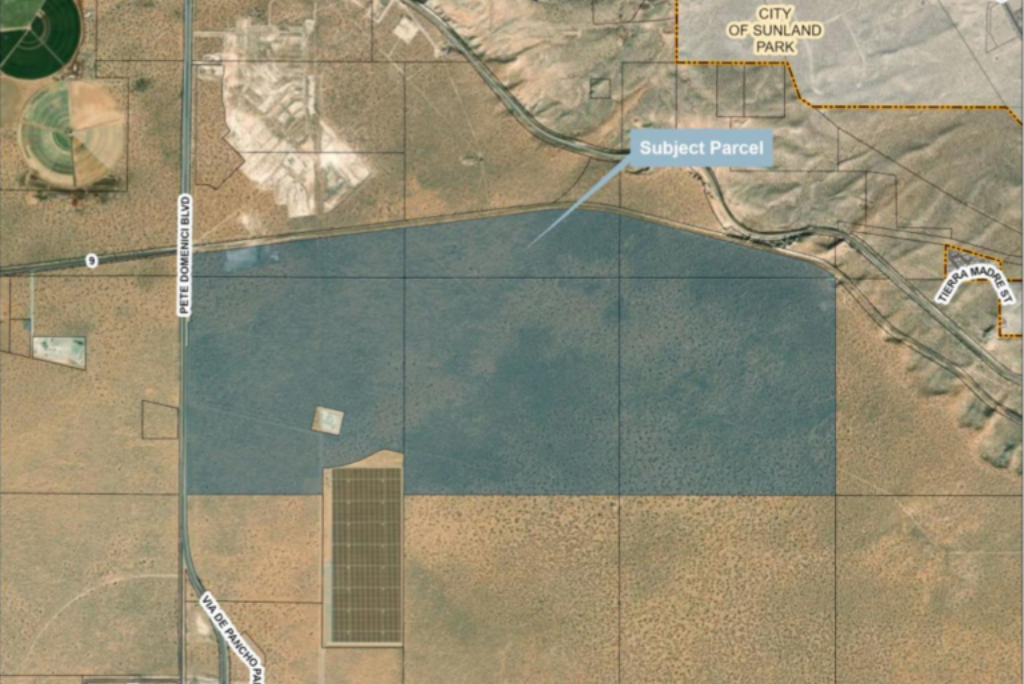
Project Jupiter is a proposed mega campus of data centers stretching across roughly 1,400 acres of desert land in Doña Ana County, New Mexico.
The county’s Board of Commissioners voted 4–1 on 19 September 2025 to approve up to $165 billion in industrial revenue bonds to finance the venture.
The campus is being promoted as a hub for artificial‑intelligence giants like OpenAI and Oracle, with the state of New Mexico touting it as a potential $5 billion partnership and claiming it could create 1,000 jobs.
According to county documents, the project plans to build out its investment over 30 years, with an initial $50 billion of capital expected in the first five years.
The developers intend to hire at least 750 full‑time positions and 50 part‑time roles within three years of operations. Average salaries are slated between $75,000 and $100,000.
During construction (expected 2025–2028), the project could employ 2,500 workers. These numbers matter because they directly influence residential demand, rental vacancy rates and broader economic growth in Las Cruces, Santa Teresa and surrounding communities.
2 Where Will the Campus be Built?
The campus is slated for a stretch of land near Santa Teresa—a town on the U.S.–Mexico border and part of the greater Las Cruces metropolitan area. This strategic location provides access to cross‑border trade, proximity to major highway arteries and large swaths of inexpensive desert.
The site’s arid climate and low humidity are considered ideal for evaporative cooling, a common data‑center technology. While this dryness benefits servers, it also exacerbates concerns about water supply—an issue that already plagues Camino Real Regional Utility Authority (CRRUA), the water system serving the region.
Notably, state environment officials sued CRRUA in 2025 after investigators found the utility had bypassed arsenic treatment and delivered contaminated water to residents.
3 Why is Project Jupiter Controversial?
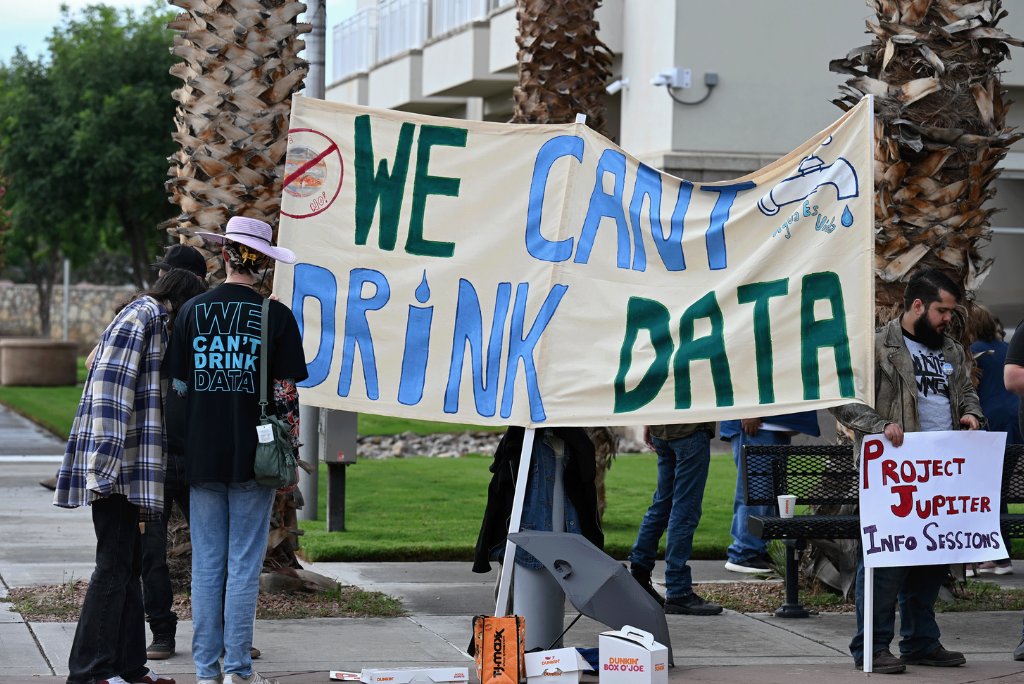
Water worries in an arid region
Developers promise that Project Jupiter will employ a closed‑loop cooling system that recycles water rather than evaporating it. The system will require a one‑time fill of about 2.5 million gallons per building and then reuse that water.
Ongoing demand is projected to average 20,000 gallons per day with a maximum of 60,000 gallons per daysourcenm.comhaussamen.com—a fraction of what some large data centers consume. Yet local residents note that CRRUA is already subject to litigation for mismanaging drinking‑water quality.
The High Country News reports that the data‑center operator plans to explore non‑potable or brackish wells, reclaimed wastewater or trucked water and acknowledges that the initial fill might require around 10 million gallons, with an estimated 7.2 million gallons used annually.
Skeptics worry that even closed‑loop technology could strain an already troubled water system and compete with residential needs.
From a housing perspective, water scarcity directly affects property values and livability. Buyers often ask us whether the area’s infrastructure can handle additional demands.
Since the developers have pledged $50 million for water and wastewater infrastructure improvements and an additional $250,000 to evaluate a regional desalination plant, the long‑term impact on water supply will depend on how quickly these upgrades materialize and whether they can meet both industrial and residential needs.
Energy use and greenhouse gas emissions
Another flashpoint is energy consumption.
Project Jupiter plans to power its campus with a dedicated microgrid fueled initially by natural gas, supplemented by battery storage and eventual renewable integration. County documents say the project will comply with the state’s Energy Transition Act, which requires utilities to be 100% renewable by 2045.
However, the legislation enabling microgrids omits intermediate benchmarks of 50% renewable by 2030 and 80% by 2040. Critics argue that this omission creates a loophole that allows the project to operate fossil‑fuel plants for decades.
Applications for air‑quality permits submitted by the developers indicate that Project Jupiter could emit more than 14 million tons of greenhouse gases annually, roughly double the combined emissions of Albuquerque and Las Cruces.
The developers intend to build two microgrids—an east microgrid and a west microgrid—each just under the 250‑ton nitrogen‑oxide threshold that would trigger stricter regulatory scrutiny.
Splitting emissions across two permits appears designed to avoid classification as a major source of hazardous air pollutants. Environmental advocates say this strategy skirts regulations and could worsen air quality in a county already receiving a failing ozone grade from the American Lung Association.
Economic benefits and incentives
Proponents highlight the project’s economic potential.
The county expects $12 million in annual payments over 30 years, totaling $360 million instead of property taxes. School districts would share this revenue, receiving funds earmarked for workforce development, boys and girls club facilities, transportation and habitat preservation.
Project Jupiter also commits to a “Doña Ana County First” hiring strategy, prioritizing local residents and vendors.
Salaries for permanent jobs are set to be competitive (between $75,000 and $100,000), and construction jobs could provide a short‑term boom for tradespeople. These numbers could boost disposable income, spur new home purchases and stimulate demand for rentals.
However, there are trade‑offs.
Because the campus will pay Payments in Lieu of Taxes (PILOT) instead of property taxes, the project’s tax contribution equals less than 1% of the total bond amount. Critics question whether the limited long‑term tax base justifies the generous incentives, especially given the limited number of jobs relative to the project’s scale.
Real‑estate investors should weigh the possible appreciation from a growing tech economy against the potential risk of a single industry dominating the local market.
Legal challenges and transparency
Community opposition has crystallized into multiple legal actions.
On October 17 2025, Las Cruces resident Derrick Pacheco filed a lawsuit alleging that the county approved the bond package without the project having passed through the Planning and Zoning Commission. The same day, the New Mexico Environmental Law Center filed a separate suit claiming the application was incomplete.
A subsequent lawsuit filed in December 2025 argued that dividing the project into two microgrids avoids stricter emission controls. These cases underscore the tension between rapid development and due process—an issue that resonates with property owners who value transparency in land‑use decisions.
Beyond the courts, civil society groups like the Empowerment Congress have organized community meetings, urging greater scrutiny of the project’s water use and environmental impact. County Commissioner Shannon Reynolds publicly assured residents that the data center would not negatively affect local water supplies, but his decision to publish opponents’ names on social media triggered accusations of intimidation. These conflicts reveal a community deeply divided over the project.
4 How will Project Jupiter affect housing in Las Cruces and Santa Teresa?
Potential demand surge
If Project Jupiter proceeds, Doña Ana County could see a meaningful influx of workers during construction and operations.
The projected 2,500 construction workers (2025–2028) and 800 permanent positions will need housing. Some will commute from El Paso, but many may look for rentals or starter homes in Santa Teresa, Sunland Park and Las Cruces. Real‑estate investors should anticipate increased demand for:
- Rental properties: Short‑term construction workers often prefer month‑to‑month leases. We anticipate rising occupancy rates in existing apartments and an uptick in build‑to‑rent development. Owners should consider refreshing properties now to command premium rents when demand spikes.
- Entry‑level homes: New hires earning $75,000–$100,000 could qualify for mortgages in the $250,000–$350,000 range, depending on debt levels and interest rates. Inventory in this price band is already tight, so competition could intensify.
- Land and speculative development: The presence of a 1,400‑acre data center may draw ancillary businesses (logistics, manufacturing, services). Developers may seek to assemble land near the campus for warehouses, workforce housing or retail. Acquiring parcels now could yield appreciation as commercial growth accelerates.
Infrastructure strain and livability
On the flip side, large industrial projects can stress local infrastructure.
Residents near Santa Teresa already face limited grocery options and struggles with contaminated water. An influx of workers could worsen road congestion and strain schools.
A study by Western Resource Advocates forecasts a 40% increase in peak electricity demand across PNM’s grid by 2035, largely due to data centers. For homeowners, this could mean higher utility costs and potential service interruptions if upgrades lag.
From a homeowner’s perspective, here are some considerations:
- Water rights and wells: Buyers of rural properties should verify access to reliable water sources. With Project Jupiter New Mexico drawing on regional supplies, private well owners may face restrictions or need to drill deeper.
- Noise and air quality: Although closed‑loop cooling reduces evaporative noise, the operation of natural‑gas turbines could introduce industrial sounds and emissions. Prospective residents should investigate zoning and proximity to the microgrid sites.
- Property taxes: The county’s property‑tax abatement for Project Jupiter means the campus won’t contribute heavily to the tax base. Depending on how PILOT payments are allocated, homeowners might shoulder a greater share of funding for schools and services.
Competing land uses
Real‑estate values often depend on the balance between industrial and residential land uses.
The 1,400‑acre Project Jupiter Santa Teresa campus occupies desert land that could otherwise accommodate housing or renewable‑energy projects.
The debate highlights broader questions about land‑use priorities in a rapidly growing region. We encourage our clients to engage in public meetings and voice their preferences. Zoning decisions today will shape the area’s character for decades.
5 What Should Buyers, Sellers and Investors Do Now?
- Stay informed: Follow local government meetings, environmental‑impact reports and court proceedings. Understanding the project’s trajectory will help you time investments and anticipate market shifts. Bookmark credible sources such as Source New Mexico, Governing and county documents.
- Evaluate your property: If you own a home near the proposed site, consult with a real‑estate professional about potential appreciation or risks. We can conduct a comparative market analysis that factors in future development and infrastructure projects.
- Diversify your portfolio: Don’t put all your eggs in one basket. While tech‑driven growth can drive housing demand, diversification across neighborhoods and property types hedges against volatility.
- Advocate for community benefits: Engage with county commissioners and developers to ensure promised contributions—like the $6.9 million community investment funds and donations for workforce training and public amenities are delivered. Strong community benefits can offset externalities and make the region more attractive to homeowners.
6 Conclusion
As real‑estate professionals, we see both opportunity and caution in Project Jupiter. A state‑of‑the‑art data‑center campus can diversify the regional economy, attract skilled workers and enhance infrastructure when managed transparently. At the same time, unresolved issues around water supply, emissions and government oversight pose legitimate risks.
The quality of life for existing residents should be at the heart of planning decisions.
Our team remains committed to helping clients navigate these complexities. Whether you’re a first‑time buyer drawn by employment prospects, a luxury investor considering high‑end properties near Project Jupiter Santa Teresa, or a fellow agent seeking reliable market insights, we’re here to support you.
We recommend careful due diligence, engagement with local governance and a long‑term view of the region’s growth.
7 What is Project Jupiter and which companies are involved in it?
Project Jupiter is a proposed multi-billion-dollar data-center development on about 1,400 acres in Doña Ana County, New Mexico. It aims to attract major cloud and AI infrastructure tenants. While specific corporate commitments haven’t all been publicly confirmed, the project is intended to support large tech and cloud operators, including firms interested in AI workloads and large-scale compute.
8 Where can I find official updates or announcements about Project Jupiter?
Official updates are typically released by Doña Ana County government, county commissioners meeting minutes, and public economic development announcements. Local news outlets like El Paso Matters and the Doña Ana County official website are good sources for timely statements.
9 Which technology brands are sponsoring or associated with Project Jupiter?
As of current public information, no official sponsorships or brand partnerships (e.g., OpenAI, Oracle) have been contractually confirmed. Project Jupiter’s planning material highlights interest from AI and cloud computing companies, but specific brand names remain speculative until formal agreements are announced.
10 What are the main goals and applications of Project Jupiter in the tech industry?
The primary goals of Project Jupiter include:
- Building a large-scale data center campus to support cloud and AI computing
- Attracting technology firms to New Mexico
- Creating regional jobs in construction and operations
- Stimulating local economic growth through infrastructure investment
The data centers are expected to host workloads for AI, data storage, and enterprise cloud services.
11 Which startups or established firms have partnered on Project Jupiter initiatives?
There are no publicly confirmed partnerships with specific startups or established tech firms linked directly to Project Jupiter at this time. Discussions have been oriented around potential tenants rather than formal joint ventures.
12 Are there any conferences or webinars focused on Project Jupiter?
At the time of this published article, there are currently no dedicated national conferences or webinars specifically for Project Jupiter. Local economic development events, county commission meetings, and New Mexico tech summits may occasionally include updates or panels mentioning the project.
13 Which consulting firms offer expertise in implementing Project Jupiter technologies?
Because Project Jupiter centers on data center planning and infrastructure, firms with relevant expertise include:
- Data center design and engineering consultants
- Energy and power systems advisors
- Water resource and environmental impact specialists
These are typically the same firms used for large industrial campus developments, though none are officially tied to Project Jupiter publicly.
14 Where can I find job openings related to Project Jupiter projects?
Job openings linked to Project Jupiter are most likely to appear on:
- Doña Ana County economic development job boards
- Major job sites (Indeed, LinkedIn) under keywords like “data center construction,” “facility operations,” “infrastructure support”
- Local staffing and construction firms involved with the build-out
At this stage, specific career listings tied directly to Project Jupiter may be limited until tenant commitments are finalized.
15 Are there any case studies showcasing Project Jupiter’s business impact?
Since Project Jupiter is still in early development and planning stages, there are no formal case studies yet. However, similar mega data-center developments in other regions (e.g., Northern Virginia, Texas) are often used as industry references for projected economic impact, land value changes, and infrastructure stress.

Thinking About Buying in Las Cruces or Doña Ana County?
Major developments like Project Jupiter can reshape housing demand, prices, and long-term opportunities. Whether you’re relocating, investing, or planning your next move, having a local expert matters.
See available homes, new construction, and land opportunities across Las Cruces and Doña Ana County.
Have questions or want a strategy tailored to your goals? Call or text 575-621-5780 to speak directly with a local broker who understands how major projects impact real estate, before the rest of the market catches on.