
Introduction
Buying a home is exciting, but it also comes with the responsibility of upkeep.
As real estate professionals, we know home maintenance tips for new homeowners aren’t optional. Proper care protects your investment. It keeps your family safe. It also preserves your home’s long-term value.
Below we share our best maintenance tips for new homeowners, drawing on industry expertise.
Protect Your Home: Must-Know Maintenance Tips
1 Why Home Maintenance Matters
 Owning a home is often the largest financial commitment people make.
Regular maintenance reduces allergens and helps you catch small issues before they become costly repairs.
The National Association of Home Builders (NAHB) notes that routine tasks like changing HVAC filters, testing smoke detectors, and checking water heaters extend the life of your systems and save money.
In short, maintenance is an investment in both safety and value.
2 Getting Started: Move‑In Home Maintenance
When you first move in, take stock of the home’s condition.
Deep clean all surfaces: walls, baseboards, appliances, and consider renting a carpet cleaner to remove dust and dander.
Replace air filters immediately, and locate your main water shut‑off valve and electrical panel so you can handle emergencies.
Test smoke and carbon monoxide alarms, change locks and install any additional security systems.
These initial steps set the stage for ongoing home maintenance and give you peace of mind.
3 Monthly Maintenance Checklist
Monthly tasks help keep systems running smoothly and detect problems early. Travelers Insurance advises testing your security system, checking smoke and carbon monoxide detectors, and verifying that fire extinguishers are not expired.
Here are essential monthly tasks:
- Inspect safety devices: Test smoke detectors and carbon monoxide alarms, replace batteries and confirm fire extinguishers are up to date.
- Maintain landscaping: Trim lawns and flower beds to deter pests and reduce fire hazards.
- Clean kitchen appliances: Wipe down cabinets, clear expired pantry items and clean dishwasher filters; inspect refrigerator water supply lines for leaks.
- Scrub humid areas: Bathrooms and showers can harbor mold; scrub grout, inspect for leaks and recaulk as needed.
- Check major systems: Replace dirty HVAC filters, especially during heavy-use months; turn off outdoor faucets and winterize water lines when seasons change.
- Monitor plumbing: Look for discoloration or leaks on pipes and supply lines; replace worn parts and clean slow drains.
- Inspect gutters and downspouts: Ensure rainwater flows away from the house to prevent water damage.
- Restock cleaning supplies: Keeping essential supplies on hand prevents emergencies from halting your maintenance routine.
- Walk the property: Look for signs of pests, rot, mold or other issues in seldom‑visited spaces like attics or under decks.
- Update your home inventory: If you’ve purchased new furniture or appliances, document them for insurance purposes.
4 Seasonal Maintenance: Spring and Summer
Different climates demand different tasks.
In warmer months, focus on cooling systems and exterior care:
- Inspect HVAC systems: According to NAHB, clean or replace HVAC filters every three months. Kiplinger suggests hiring certified technicians to tune up air conditioners so they operate efficiently and reduce energy costs.
- Clean roof, gutters and downspouts: Remove leaves and debris to prevent clogs and water damage.
- Check windows and doors: Replace cracked or split caulking, wash exterior windows and doors with vinegar and water, and ensure easy operation.
- Maintain siding and paint: Inspect siding for damage, trim shrubs away from walls, and repaint as needed to protect against weather. A fresh coat of quality paint also protects against insects and moisture.
- Service irrigation systems and inspect landscaping: Ensure sprinklers and irrigation systems operate properly and adjust watering schedules based on seasonal rainfall. Lawn care keeps pests away and enhances curb appeal.
- Prepare for extreme weather: In coastal areas like Florida, ensure hurricane shutters are functional and emergency supplies (water, batteries, flashlights) are stocked. In desert climates like Las Cruces, check cooling systems and monitor for dust accumulation.
5 Seasonal Maintenance: Fall and Winter
When temperatures drop, your focus shifts to heating and protecting against cold:
- Inspect the roof for damage: Look for missing shingles, leaks or cracks after storms. Remove overhanging branches and debris to prevent damage.
- Clean chimneys and fireplaces: The NAHB recommends having a CSIA‑certified sweep inspect your chimney annually, storing firewood away from the house, and using a grate to build fires.
- Seal drafts: Check windows, doors and insulation to reduce energy loss. Replace weather stripping and add insulation to attics or crawl spaces.
- Service heating systems: Replace furnace filters, schedule professional tune‑ups and ensure carbon monoxide detectors are working.
- Drain exterior faucets and winterize plumbing: Turn off outdoor faucets and insulate exposed pipes to prevent freezing. In colder climates, drain sprinkler systems and pool equipment.
- Inspect attic and roof ventilation: Proper ventilation prevents ice dams and moisture buildup.
- Trim trees and shrubs: Remove dead branches that could fall during storms. Look for signs of decay or disease and consult an arborist if needed.
- Check emergency preparedness: Restock winter supplies like snow shovels, ice melt and emergency blankets. Ensure backup power sources, such as generators, are functioning.
6 Key Indoor Maintenance Tasks
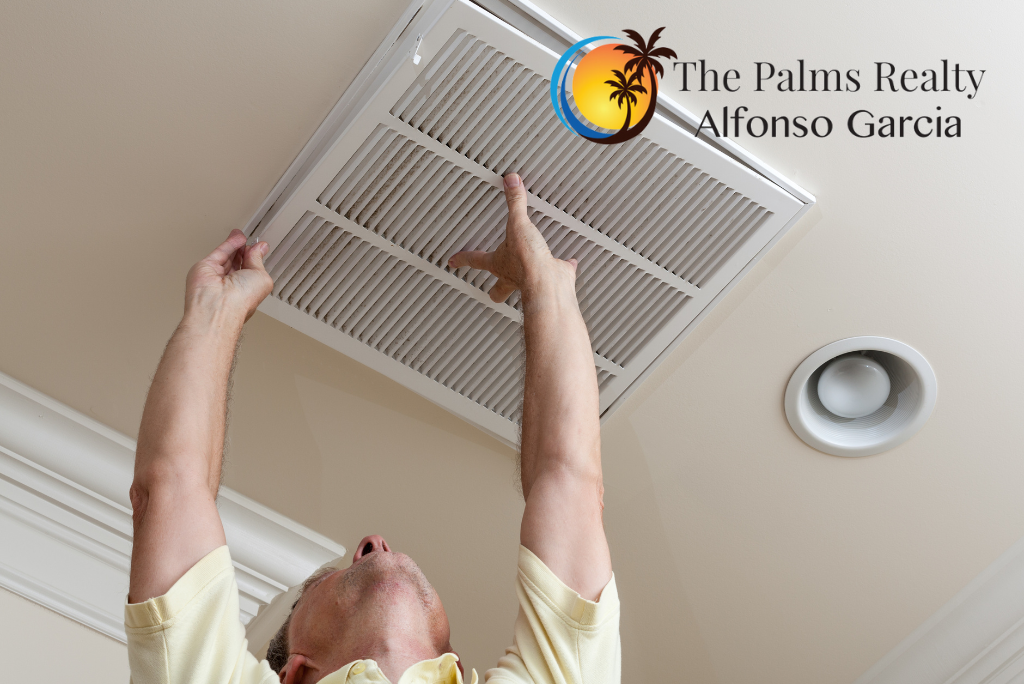 Indoor tasks help maintain comfort and safety year‑round:
- Change HVAC and air filters: Many systems require filter replacement every three months, but heavy use may require more frequent changes. Clean filters reduce allergens and energy costs.
- Clean faucet aerators and garbage disposal: The NAHB recommends cleaning faucet aerators every three to four months and running cold water through the disposal during use. Homebuyer.com provides a step‑by‑step method: remove debris, rinse with cold water, use baking soda and vinegar to deodorize, then run ice and salt through for a deep clean.
- Inspect water heater and softener: Check your water heater’s temperature and pressure relief valve monthly. Inspect for leaks or corrosion and flush the tank annually to remove sediment.
- Maintain flooring: For hardwood floors without polyurethane, wax periodically; for vinyl floors, use a water emulsion wax. Apply concrete sealers to unpainted basements or garage floors, and clean with a solution of washing soda and water.
- Address walls and masonry: If you see white powdery efflorescence on masonry walls, scrub with water and a stiff brush.
- Check safety systems regularly: Inspect smoke and carbon monoxide detectors twice a year and replace them every 10 years. Test alarm systems and replace batteries as needed. Consider installing a monitored security system for added peace of mind.
7 Detailed Maintenance Procedures
Some maintenance tasks require specific steps to do safely and effectively. Here are detailed instructions for common but technical tasks:
Water Heater Annual Flush:
- Turn off power (electric) or set gas to “pilot”
- Shut off cold water supply valve at the top
- Connect garden hose to drain valve at bottom
- Open hot water faucet in nearby sink to allow air in
- Open drain valve and let water flow until it runs clear (30-60 minutes)
- Close drain valve, remove hose, turn on cold water supply
- Once hot water faucet runs steadily, close it and restore power/gas
- Wait 30 minutes before using hot water
HVAC Filter Replacement:
- Locate return air vent (usually larger rectangular grate)
- Turn off system at thermostat
- Remove grate and slide out old filter
- Note arrow direction on filter frame (airflow direction)
- Insert new filter with arrow pointing toward unit
- Replace grate and turn system back on
- Mark calendar for next replacement (typically 1-3 months)
Faucet Aerator Cleaning:
Hand-tighten back onto faucet
Unscrew aerator from faucet tip (use pliers with cloth if tight)
Disassemble parts and note order for reassembly
Soak parts in vinegar for 30 minutes to dissolve mineral deposits
Use old toothbrush to scrub away remaining debris
Rinse thoroughly and reassemble in reverse order
8 Exterior Home Maintenance Essentials
Exterior components protect your home from the elements.
To avoid costly repairs:
- Inspect roofs: A qualified roofer should examine your roof every three years. Pay attention to skylights and flashing to prevent leaks.
- Clean siding and trim shrubbery: Clean siding periodically to remove dirt and prolong its life. Trim shrubs so they don’t rub against siding.
- Maintain gutters and downspouts: Remove leaves and debris regularly; ensure downspouts divert water away from the foundation.
- Service garage doors: Lubricate moving parts every three months.
- Check fences and decks: Repair loose boards, nails or posts; reseal decks as needed to protect against weathering.
9 Budgeting for Home Maintenance
Financial planning is integral to successful homeownership. Experts recommend setting aside 1%–3% of your home’s value annually for maintenance and repairs.
Building an emergency fund ensures you can address unexpected issues promptly.
Keep receipts and records of maintenance, as they’re valuable for resale and insurance claims.
10 Understanding Maintenance Costs
While setting aside 1-3% of your home’s value is a good rule of thumb, knowing typical costs for common tasks helps you budget more precisely:
Annual Costs (Professional Service):
- HVAC tune-up: $150-300
- Chimney cleaning/inspection: $200-400
- Gutter cleaning: $100-250
- Professional carpet cleaning: $200-400
Periodic Home Maintenance (DIY vs Professional):
- HVAC filter replacement: $20-50/year (DIY) vs $200-400/year (professional)
- Caulking refresh: $30-60 (DIY) vs $200-500 (professional)
- Pressure washing: $100-200 (rental) vs $300-800 (professional)
- Smoke detector battery replacement: $20-40/year (DIY)
Seasonal Preparation:
- Winterizing outdoor faucets: $50-100 (DIY supplies) vs $150-300 (professional)
- Storm/hurricane supplies: $200-500 annually
- Emergency generator maintenance: $100-200 (DIY) vs $300-500 (professional)
Keep a maintenance fund with at least $2,000-5,000 for unexpected repairs, and consider that costs vary significantly by region and home size.
11 Working with Professionals
While many tasks are DIY‑friendly, some require professional expertise.
Large remodels, roofing repairs and electrical work should be handled by licensed contractors to ensure safety and compliance with codes.
Always hire reputable professionals—check references, compare estimates and obtain written contracts to avoid scams.
12 Making Smart DIY vs Professional Decisions
Knowing when to tackle maintenance yourself versus calling a professional protects both your safety and your wallet. Use this framework to decide:
Always DIY (Low Risk, High Savings):
- Changing air filters, light bulbs, batteries
- Basic cleaning tasks (gutters, windows, appliances)
- Caulking and weather stripping
- Painting interior walls
- Planting and basic landscaping
Consider DIY (Medium Risk, Good Savings Potential):
Proceed only if you have proper tools, time, and confidence:
- Installing ceiling fans or light fixtures (if electrical box is already present)
- Replacing faucets or toilet components
- Power washing exterior surfaces
- Basic tile or flooring repairs
- Winterizing outdoor faucets
Always Professional (High Risk, Safety Critical):
- Electrical work requiring permits
- Gas line work or major plumbing
- Roofing repairs or replacement
- HVAC installation or major repairs
- Structural work or foundation issues
- Chimney repairs
- Tree removal near power lines
Red Flags That Require Professionals:
- Any work requiring permits
- Tasks involving gas lines or main electrical panels
- Work above single-story height
- Anything you’ve never done before that involves safety systems
- Jobs where mistakes could cause injury or property damage
Money-Saving Tip: Even when hiring professionals, you can save by doing prep work like clearing access areas, removing old fixtures, or cleaning up afterward. Many contractors offer discounts for “labor-only” jobs where you provide materials.
Remember: The cost of fixing a DIY mistake often exceeds the original professional quote. When in doubt, get an estimate – many contractors provide free quotes for small jobs.
13 Local Considerations
Environmental conditions influence your home maintenance schedule.
Coastal homes in Florida must prepare for tropical storms and high humidity—regularly inspect for mold, maintain hurricane shutters and ensure drainage systems can handle heavy rains.
Meanwhile, homes in Las Cruces face intense sun and occasional monsoon rains. Inspect roofs for sun damage, ensure HVAC systems can handle extreme heat, and install desert-friendly landscaping to conserve water.
By adapting to your local climate, you protect your investment and enhance comfort.
14 Conclusion and Next Steps
Being proactive with home maintenance tips for new homeowners sets you up for long-term success.
Routine checks, seasonal tasks and professional support keep your home safe, efficient and valuable.
As experienced real estate professionals serving Las Cruces, we understand the nuances of maintaining homes in diverse climates.
Whether you’re a first-time buyer looking for guidance or a seasoned homeowner needing a refresher, we’re here to help. Let’s work together to protect your investment and enjoy all the benefits of homeownership.
15 How often should I change my air filters?
Most homes need new air filters every 30–90 days. If you have pets, allergies, or live in a dusty area, check them monthly. Clean filters keep the air healthy and systems efficient.
16 Do I really need to inspect my roof every year?
Yes. Annual inspections catch leaks, missing shingles, and storm damage early. In areas with extreme weather, check twice a year. Once after summer. Once before winter. Small repairs prevent big expenses.
17 What are the most important maintenance tasks to do every month?
Start with safety. Test smoke and carbon monoxide detectors. Walk through your home to look for leaks or damage. Clean humid areas like bathrooms. Keep pests out. These small tasks protect your home long-term.
18 How do I create a home maintenance budget?
Save 1%–3% of your home’s value each year. Keep a list of common tasks like HVAC servicing, plumbing checks, and painting. Track costs and receipts. Being prepared makes surprise repairs less stressful.
19 When should I hire a professional instead of doing the work myself?
Hire a professional for electrical, plumbing, or structural work. Roofing and large remodels should also be handled by experts. Licensed contractors ensure safety. They also make sure work meets code.
20 What are the best home maintenance tips for new homeowners?
Start small. Replace air filters. Test smoke and carbon monoxide alarms. Inspect your roof once a year. Clean gutters every season. These simple home maintenance tips for new homeowners prevent costly repairs and keep your property safe.
21 Which maintenance tips for new homeowners save the most money?
Regular HVAC service reduces energy bills. Sealing drafts lowers heating and cooling costs. Cleaning appliances extends their lifespan. Keeping up with these maintenance tips for new homeowners saves hundreds each year.
22 Why should new buyers follow home maintenance tips right away?
Issues ignored at move-in often grow worse. Small leaks become water damage. Dirty filters strain HVAC systems. By acting early, home maintenance tips for new homeowners protect your investment, your health, and your home’s value.

Ready to Protect Your Investment?
Owning a home is a big step, and the right guidance makes all the difference. If you’re ready to take the next step in buying, selling, or learning more about homeownership, we’re here to help.
📞 Call Alfonso Garcia, Qualifying Broker at The Palms Realty
Phone: 575-621-5780
Or simply fill out the Contact Us form below and we’ll reach out to you directly.